TV Dramas

Fatmagul-Episode
TV Dramas

What Is Fatmagul’s Fault? — Story, Cast, Characters and Why This Turkish Drama Still Matters

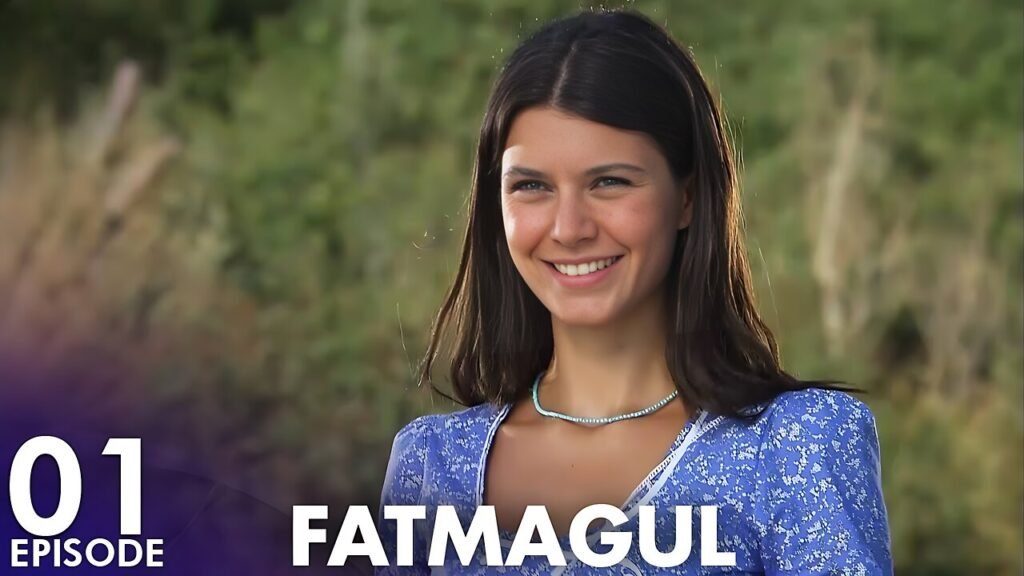
What Is Fatmagul’s Fault? is one of the most powerful and widely recognized Turkish dramas of the modern television era. Known in Turkish as Fatmagül’ün Suçu Ne?, the series combines romance, family conflict, social injustice, trauma and the pursuit of justice in an emotionally intense story. Starring Beren Saat as Fatmagül and Engin Akyürek as Kerim, the drama originally aired from 2010 to 2012 and was produced by Ay Yapım. It was directed by Hilal Saral, with the screenplay written by Ece Yörenç and Melek Gençoğlu, based on the novel by Vedat Türkali. Rather than being a conventional Turkish love story, What Is Fatmagul’s Fault? tackles difficult subjects through the journey of a young woman whose life changes dramatically after a traumatic crime. The story then follows her struggle for dignity, justice and a chance to rebuild her future. What Is What Is Fatmagul’s Fault? About? At the center of the drama is Fatmagül, a young woman living in a coastal town with her brother Rahmi and sister-in-law Mukaddes. She dreams of marrying her childhood sweetheart, Mustafa, and starting a peaceful life. Her plans collapse after she encounters four wealthy young men—Selim, Erdoğan, Vural and Kerim—during a night that changes her life forever. Fatmagül becomes the victim of sexual violence, while the powerful families connected to the men attempt to protect their interests and avoid accountability. The official international synopsis describes Fatmagül’s subsequent struggle for justice and her complicated relationship with Kerim, who becomes increasingly important to her story. The drama therefore moves beyond the initial tragedy. It becomes a story about survival, accountability, social pressure, emotional healing and redemption. Fatmagül’s Story and Her Fight for Justice The question in the title—“What Is Fatmagul’s Fault?”—is central to the entire narrative. Fatmagül is forced to deal with blame and social judgment despite being the victim. Her experience exposes how family reputation, wealth and social status can influence people’s willingness to confront injustice. Her journey is not presented as a simple revenge story. Instead, the series explores how she attempts to regain control over her own life. As the story develops, Fatmagül becomes increasingly determined to confront those responsible and seek legal justice. Her transformation from a vulnerable young woman into someone willing to stand up for herself becomes one of the drama’s strongest narrative elements. Beren Saat as Fatmagül Beren Saat plays the title character, Fatmagül Ilgaz. Her performance is one of the main reasons the Turkish drama attracted such strong attention. Fatmagül is not written as a perfect or invincible heroine. She experiences fear, anger, confusion and emotional pain, but gradually develops greater confidence and independence. IMDb lists Beren Saat as Fatmagül throughout the series’ 80 episodes. The role also became one of the most recognizable performances of Saat’s career and helped introduce her work to international audiences. Engin Akyürek as Kerim Engin Akyürek plays Kerim Ilgaz, one of the drama’s most complicated characters. Kerim is connected to the group involved in Fatmagül’s tragedy, but his personal position within the event and his subsequent remorse become important parts of the storyline. His character spends much of the series attempting to confront his past, accept responsibility and prove that he is different from the men who deliberately committed the crime. The relationship between Fatmagül and Kerim develops slowly and under extremely difficult circumstances. That makes their emotional journey one of the central elements of the series. Engin Akyürek appears as Kerim throughout all 80 episodes listed by IMDb. Fatmagül and Kerim’s Complicated Relationship The relationship between Fatmagül and Kerim is not presented as a straightforward romance. At first, Fatmagül associates Kerim with the traumatic experience that destroyed her previous life. She struggles to trust him and has little reason to believe that he deserves a place in her future. Kerim, meanwhile, carries guilt and attempts to distance himself from the actions of the other men. As the story progresses, their relationship changes through difficult conversations, revelations and shared experiences. The emotional development is deliberately gradual rather than an instant transformation. This complexity is one reason the series has generated considerable discussion among fans of Turkish television. The Main Cast of What Is Fatmagul’s Fault? Alongside Beren Saat and Engin Akyürek, the series features a large ensemble cast. Key actors and characters include: These characters represent different sides of the social, family and legal conflicts surrounding Fatmagül’s story. IMDb credits the principal cast across the show’s 2010–2012 run. Mustafa and Fatmagül’s Broken Engagement Mustafa, played by Fırat Çelik, is Fatmagül’s childhood love and fiancé at the beginning of the story. Their planned marriage represents the future Fatmagül believes she is about to receive. After the traumatic incident, however, Mustafa’s reaction becomes a major turning point. His inability to handle the situation and the pressure surrounding him contribute to the collapse of their relationship. Mustafa subsequently becomes consumed by anger, jealousy and revenge, creating another important conflict within the drama. The Yaşaran Family The wealthy Yaşaran family plays a major role in the series. Their influence becomes important because the family has the resources and connections to protect its reputation. Their efforts to control the consequences of the crime create a wider conflict between privilege and justice. Characters such as Selim Yaşaran, Erdoğan Yaşaran, Reşat Yaşaran and Perihan Yaşaran become deeply connected to the story’s legal and family struggles. Through them, the series examines how wealth and social standing can affect people’s choices when serious wrongdoing is involved. Meryem: A Source of Support Meryem Aksoy, played by Sumru Yavrucuk, is another important character. Known affectionately as Ebe Nine, Meryem becomes a source of emotional support for Fatmagül and Kerim. Her compassionate nature provides a contrast to the manipulation and hostility surrounding the main characters. She represents empathy, patience and the possibility of healing. Kanal D International lists Sumru Yavrucuk among the leading cast members alongside Beren Saat and Engin Akyürek. How Many Episodes Does What Is Fatmagul’s Fault Have? The original Turkish series ran from 2010 to 2012 and has 80 episodes
Rise of empire 3
TV Dramas

Rise of Empires: Ottoman: The Epic Turkish Historical Drama About Mehmed the Conqueror

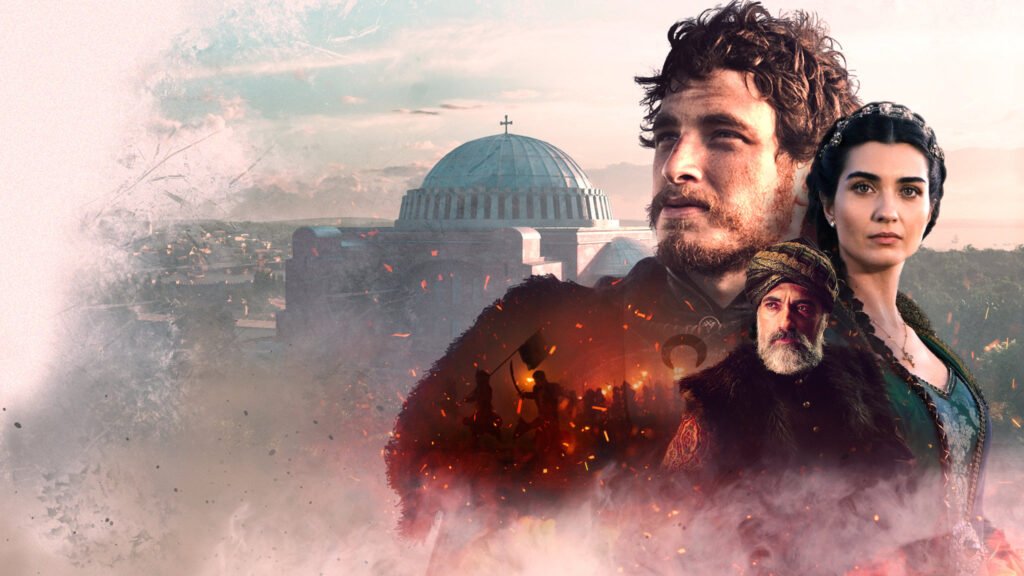
Rise of Empires: Ottoman is a gripping Turkish historical docudrama that brings one of the most dramatic chapters of Ottoman history to the screen: Sultan Mehmed II’s conquest of Constantinople. Blending cinematic battle scenes, historical commentary, political intrigue and dramatic reenactments, the series explores the ambitions of Mehmed the Conqueror and the fall of the Byzantine capital. The production is particularly appealing to viewers who enjoy Turkish historical dramas, Ottoman Empire stories, historical war series and Netflix period dramas. The series has two seasons and 12 episodes, with its story expanding from the 1453 conquest of Constantinople in Season 1 to Mehmed II’s conflict with Vlad the Impaler in Season 2. What Is Rise of Empires: Ottoman About? At the heart of the series is Sultan Mehmed II, one of the most influential rulers in Ottoman history. The first season follows Mehmed’s determination to capture Constantinople, the strategically important Byzantine capital. The young Ottoman ruler faces enormous challenges as he prepares his army for a siege against Emperor Constantine XI and the city’s formidable defenses. Rather than presenting the story as a conventional television drama alone, Rise of Empires: Ottoman combines scripted performances with commentary from historians and experts. Netflix categorizes the production as a docudrama, historical documentary and Turkish TV drama, giving it a distinctive format. The result is a series that attempts to make a major historical event accessible through both storytelling and historical analysis. Sultan Mehmed II and the Fall of Constantinople The conquest of Constantinople is the central event of Season 1. Mehmed II becomes determined to achieve what previous Ottoman rulers could not: conquer the heavily fortified city and transform the balance of power between the Ottoman Empire and the Byzantine Empire. The season depicts the preparation for the siege, military strategy, naval challenges, internal political tensions and the final assault. One of the most memorable strategic moments involves Mehmed moving Ottoman ships overland toward the Golden Horn, while the series also dramatizes the use of massive artillery against Constantinople’s defenses. IMDb’s episode descriptions highlight these developments across the six episodes. The story ultimately builds toward the fall of Constantinople and Mehmed’s emergence as Mehmed the Conqueror. Rise of Empires: Ottoman Season 1 Season 1 consists of six episodes and focuses primarily on the 1453 siege of Constantinople. The episodes include: The season gives viewers a dramatic look at the military planning and political decisions surrounding one of the most famous sieges in world history. Rise of Empires: Ottoman Season 2 Season 2 moves the story several years forward and introduces another formidable opponent: Vlad the Impaler of Wallachia. The six-episode second season premiered on December 29, 2022, and follows Mehmed II as he attempts to protect Ottoman interests while confronting Vlad’s resistance. The season is also known as Rise of Empires: Ottoman – Mehmed vs. Vlad. Its episodes include House of War, Troubled Waters, Land of Dracula, Brothers No More, Night Attack and Destiny. This storyline gives the series a different atmosphere from Season 1. Instead of focusing primarily on the conquest of a fortified city, the narrative explores military campaigns, alliances, rivalry and psychological warfare between Mehmed and Vlad. Rise of Empires: Ottoman Cast The cast is one of the major attractions for fans of Turkish television. Cem Yiğit Üzümoğlu plays Sultan Mehmed II and carries the central role throughout the series. His performance presents Mehmed as an ambitious, strategic and determined ruler. IMDb lists him as appearing in all 12 episodes. Other important cast members include: These actors help bring the political, military and personal conflicts of the period to life. Cem Yiğit Üzümoğlu as Mehmed the Conqueror For many viewers, Cem Yiğit Üzümoğlu is the face of Rise of Empires: Ottoman. His portrayal of Mehmed II focuses on the ruler’s determination to conquer Constantinople while dealing with pressure from military commanders, political advisers and his opponents. The role requires the actor to portray Mehmed at different stages of his life and leadership, making the character central to both seasons. The series also uses flashbacks to explore aspects of Mehmed’s earlier life, adding context to the ruler’s relationship with figures such as Vlad and Radu. Tuba Büyüküstün as Mara Brankovic Tuba Büyüküstün plays Mara Brankovic, another important figure in the series. Mara’s character becomes particularly significant in the political story surrounding Mehmed’s relationships with neighboring powers. In Season 2, she is involved in diplomatic efforts connected to King Matthias Corvinus. Her presence adds a diplomatic dimension to a series otherwise dominated by military campaigns and palace politics. Vlad the Impaler in Season 2 Season 2 introduces one of the most famous and controversial figures associated with medieval Eastern Europe: Vlad the Impaler. The series presents Vlad as a powerful opponent who challenges Mehmed’s authority in Wallachia. Their conflict creates a new battlefield for the Ottoman ruler and turns the second season into a tense historical war drama. IMDb describes Season 2 as a story in which Mehmed faces the challenge posed by Vlad while attempting to maintain his plans for western expansion. The storyline also explores Vlad’s relationship with his brother Radu, adding a personal dimension to the wider political conflict. Why Rise of Empires: Ottoman Stands Out Unlike many traditional Turkish dramas, Rise of Empires: Ottoman does not rely exclusively on fictional character relationships. Its distinctive strength comes from combining dramatic reenactments with expert historical commentary. The series features historians, writers and academics who discuss the events portrayed on screen. This format allows viewers to move between dramatic scenes and explanations of the historical background. That combination makes the show especially interesting for audiences searching for: Is Rise of Empires: Ottoman Historically Accurate? The series is based on real historical events, but viewers should understand that it is a docudrama rather than a conventional historical documentary. The central events—the Ottoman conquest of Constantinople and the later conflict involving Mehmed II and Vlad—are historical. However, dramatic productions naturally reconstruct conversations, personal interactions and certain scenes to create a compelling narrative. The

sultan abdul hamid
TV Dramas

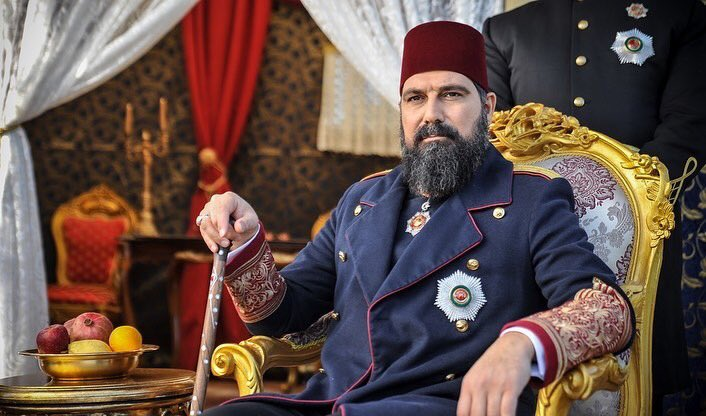
Sultan Abdul Hamid: Payitaht Abdülhamid Story, Cast, Characters, History and the Turkish Drama’s Global Appeal

Sultan Abdul Hamid, also known as Payitaht Abdülhamid, is one of Turkey’s most popular historical dramas based around the life and political struggles of Sultan Abdul Hamid II, the 34th Ottoman Sultan. The series takes viewers into the final decades of the Ottoman Empire, combining palace intrigue, diplomacy, political conflict, family drama, espionage and historical events. For Pakistani audiences, the drama offers a particularly interesting look at an important period of Ottoman history. Unlike action-focused Turkish series that center on medieval warriors and tribal battles, Payitaht Abdülhamid focuses heavily on statecraft, international politics, intelligence, diplomacy and the survival of an empire under enormous pressure. The lead role of Sultan Abdul Hamid is played by Bülent İnal, while the cast includes Özlem Conker as Bidar Kadın Efendi, Selen Öztürk as Seniha Sultan, Bahadır Yenişehirlioğlu as Tahsin Paşa and other well-known Turkish actors. TRT 1’s official archive identifies Bülent İnal as Abdulhamid and lists the major cast members. ([TRT1][1]) What Is Payitaht Abdülhamid About? Payitaht Abdülhamid is a historical Turkish television drama that portrays Sultan Abdul Hamid II’s struggle to protect the Ottoman Empire against internal political opposition and powerful foreign interests. The Turkish word Payitaht refers to the imperial capital, making the title particularly appropriate for a story centered on the Ottoman court and Istanbul. The series begins in 1876, when Abdul Hamid ascends to the Ottoman throne. TRT 1 describes the drama as a portrayal of the Sultan’s life and the difficult period during which he remained on the throne for 33 years. ([TRT1][2]) Rather than concentrating exclusively on battlefield action, the story places Sultan Abdul Hamid inside a complicated political environment where a single decision can affect the future of the empire. Who Was Sultan Abdul Hamid II? Sultan Abdul Hamid II was the 34th Sultan of the Ottoman Empire and ruled from 1876 until 1909. He inherited an empire facing serious political, military and financial challenges. During his reign, the Ottoman state experienced pressure from European powers, nationalist movements, internal political factions and conflicts over territory and influence. The television drama uses this turbulent historical period as the foundation for its storyline. However, it is important for viewers to understand that Payitaht Abdülhamid is a historical drama rather than a documentary. Some characters, conversations and situations are dramatized to create an engaging television narrative. Bülent İnal as Sultan Abdul Hamid Bülent İnal plays the central character, Sultan Abdul Hamid. His performance focuses on a ruler who must constantly balance personal emotions with political responsibility. The character is portrayed as cautious, strategic and determined to protect the Ottoman state. TRT 1’s official introduction to the series identifies Bülent İnal as the actor playing Sultan Abdul Hamid and describes the drama as exploring the politically difficult period of his reign. ([TRT1][2]) The role requires İnal to portray Abdul Hamid in several different situations, including palace discussions, diplomatic negotiations, intelligence operations, family conflicts and moments of personal crisis. The Story of Sultan Abdul Hamid At the heart of the series is one major question: How can Sultan Abdul Hamid protect the Ottoman Empire when powerful forces are working against it? The drama presents the Sultan as a ruler surrounded by competing interests. Inside the palace, he faces disagreements among members of the royal family and government officials. Outside, he must respond to foreign powers, political movements, economic pressure and threats to Ottoman territory. This combination creates a story filled with suspense. A political decision may lead to a diplomatic crisis. A seemingly loyal official may have hidden motives. A palace relationship may become connected to a larger political struggle. The Ottoman Palace as the Center of the Drama The Ottoman palace plays an important role in Payitaht Abdülhamid. The series frequently moves between political meetings, royal family life, government offices and secret conversations. The palace is not presented simply as a place of luxury. It becomes a battlefield of information and influence. Sultan Abdul Hamid must determine: These questions drive many of the show’s major storylines. Bidar Kadın Efendi Bidar Kadın Efendi, portrayed by Özlem Conker, is one of the important female characters in the series. Her relationship with Sultan Abdul Hamid adds a strong family and emotional dimension to the drama. Bidar is involved in palace affairs and frequently faces difficult situations involving the Sultan’s children, other members of the royal household and political developments inside the palace. The official TRT 1 cast listing identifies Özlem Conker as Bidar Kadın Efendi. ([TRT1][1]) Tahsin Paşa Tahsin Paşa, played by Bahadır Yenişehirlioğlu, is one of the most recognizable characters associated with Payitaht Abdülhamid. He serves as a close aide to the Sultan and becomes an important figure in the palace’s political and intelligence operations. His loyalty to Abdul Hamid makes him particularly important as the Sultan attempts to identify threats and respond to political conspiracies. TRT 1 lists Bahadır Yenişehirlioğlu as Tahsin Paşa in the official cast information. ([TRT1][3]) Seniha Sultan Seniha Sultan, portrayed by Selen Öztürk, is another prominent member of the royal family. Her storyline brings family disagreements and palace politics into the wider narrative. The character becomes involved in conflicts within the imperial household, showing how political tension can affect personal relationships. TRT 1 officially lists Selen Öztürk as Seniha Sultan. ([TRT1][1]) Şehzade Abdülkadir Şehzade Abdülkadir, played by Can Sipahi, is Sultan Abdul Hamid’s son. His storyline is connected to both family relationships and political developments within the palace. As the drama progresses, Abdülkadir becomes involved in complicated situations that test his relationship with his father and other members of the imperial family. TRT 1 identifies Can Sipahi as Şehzade Abdülkadir in its cast archive. ([TRT1][3]) Mahmud Paşa Mahmud Paşa, portrayed by Hakan Boyav, is another important figure in the series. His character becomes involved in the political conflicts surrounding Sultan Abdul Hamid and the Ottoman government. The drama repeatedly uses characters such as Mahmud Paşa to demonstrate how political loyalty can become complicated when personal ambitions and external pressure enter the picture. Halil Halid Halil Halid, played

osman ghazi
TV Dramas

Usman Ghazi: Kuruluş Osman Story, Cast, Characters, History and the Turkish Drama’s Global Appeal

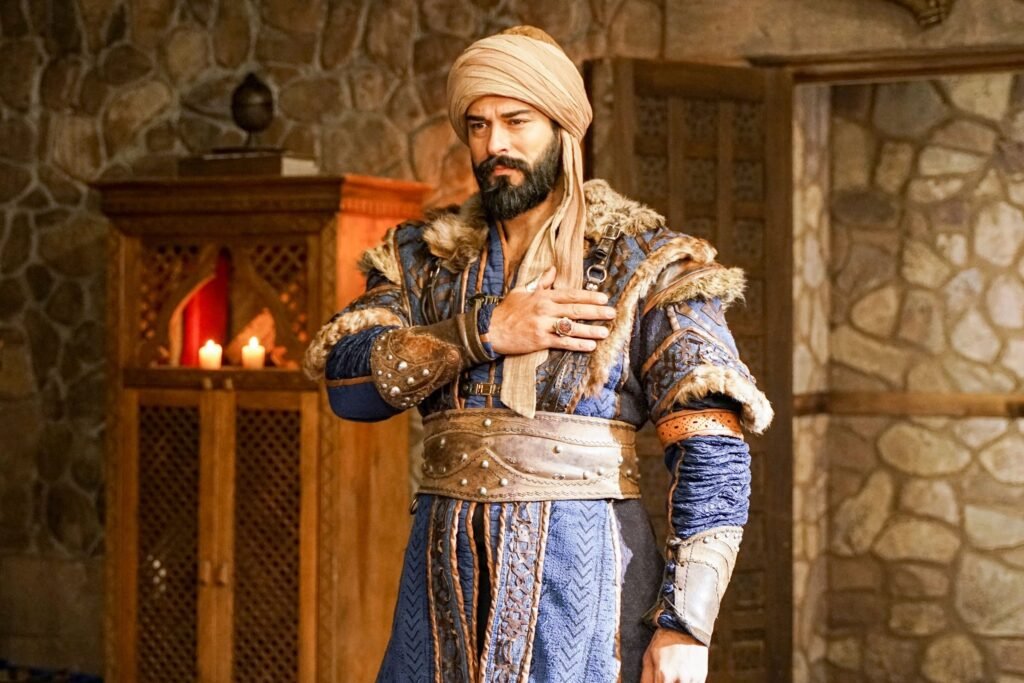
Usman Ghazi, better known internationally as Kuruluş Osman or Establishment Osman, is one of Turkey’s most popular historical television dramas. The series tells a dramatized version of the story of Osman Bey, the son of Ertuğrul Ghazi, as he struggles to protect the Kayı tribe, defeat powerful rivals and establish the foundations of a new state. For Pakistani audiences, the drama became especially familiar because Turkish historical series found a large following in Pakistan through Urdu-language broadcasts and digital platforms. Kuruluş Osman combines action, romance, tribal politics, military strategy, family conflict and historical themes, making it a natural choice for viewers who enjoy Turkish dramas such as Diriliş: Ertuğrul. The series was produced by Mehmet Bozdağ and stars Burak Özçivit as Osman Bey. ATV’s official information describes Osman as Ertuğrul Gazi’s son, the bey of the Kayı tribe and a determined leader pursuing the dream of establishing a state. What Is Usman Ghazi or Kuruluş Osman? Kuruluş Osman is a Turkish historical drama centered on Osman Bey and the political, military and personal challenges surrounding his rise to leadership. The Turkish title Kuruluş Osman can be understood as “Establishment Osman,” while Pakistani viewers commonly search for the drama as Usman Ghazi or Osman Ghazi. The story begins during a period of uncertainty for the Kayı tribe. Ertuğrul Ghazi’s declining health creates a leadership vacuum, while internal disagreements and external enemies threaten the tribe’s future. Osman must prove himself as a leader while dealing with rival factions, Byzantine forces, Mongol pressure, political alliances and conflicts within his own family. ATV’s production material describes the Kayı tribe as living in Söğüt amid Byzantine danger and Mongol invasion, with Osman emerging as a key figure during the struggle for the future of the principality. Who Is Osman Ghazi? Osman Bey, historically known as Osman I, is the central figure of the series. Within the drama, he is presented as the son of Ertuğrul Ghazi and a determined Kayı leader. His ambition goes beyond protecting his tribe. He wants to create a powerful state capable of surviving the political instability of Anatolia. The television version of Osman is portrayed as: ATV’s official character profile describes Osman as a strong and determined bey who repeatedly fights his enemies, expands the Kayı community and uses strategic moves to overcome his opponents. Burak Özçivit as Osman Bey Burak Özçivit plays Osman Bey in Kuruluş Osman. His performance became one of the defining elements of the series. Özçivit portrays Osman as both a warrior and a political leader, allowing the character to move between battlefield action, family drama and high-level political negotiations. The official ATV cast page identifies Burak Özçivit as Osman Bey and Özge Törer as Bala Hatun. For fans, Özçivit’s portrayal is particularly important because the character carries almost every major storyline. Whether Osman is planning a conquest, defending his tribe, negotiating with rival leaders or dealing with family problems, the narrative repeatedly returns to his decisions. Bala Hatun: Osman Bey’s Important Partner Bala Hatun, played by Özge Törer, is one of the most important women in Kuruluş Osman. The series presents her as the daughter of Şeyh Edebali and Osman Bey’s wife. She is not simply a romantic character. Bala is portrayed as a strong figure who supports Osman and becomes involved in the political and military struggles surrounding the Kayı tribe. ATV describes Bala Hatun as a leading woman of the Kayı community and says she takes an active role in battles and conquests while supporting Osman. Her character adds an important emotional and family dimension to the story. The Story of Kuruluş Osman The central story follows Osman Bey as he attempts to transform the Kayı tribe’s uncertain future into a more powerful political structure. At first, Osman faces challenges from multiple directions. He must deal with internal rivalries while protecting his people from external enemies. As the story develops, his responsibilities grow. The drama moves from tribal disputes toward larger questions of state-building, conquest, diplomacy and political leadership. Osman’s enemies also become increasingly powerful, forcing him to rely not only on physical strength but also on intelligence and strategy. Osman Ghazi and the Kayı Tribe The Kayı tribe is at the center of the series. The tribe provides the setting for many of the show’s family relationships, political disagreements and military preparations. Osman wants to strengthen the tribe while creating the foundations of a larger state. This makes the Kayı community much more than a background setting. Its survival and future are directly connected to Osman’s ambitions. The series repeatedly shows the importance of loyalty to the tribe, relationships between different beys and the difficult decisions required to protect the community. Osman Ghazi and Ertuğrul Ghazi Fans of Diriliş: Ertuğrul often discover Kuruluş Osman because of its connection to Ertuğrul Ghazi. Ertuğrul is Osman’s father, and the later series continues the broader historical world established by Diriliş: Ertuğrul. This creates a natural connection between the two dramas: Diriliş: Ertuğrul → Ertuğrul Ghazi’s story Kuruluş Osman → Osman Bey’s story The transition allows viewers to continue exploring the Kayı tribe and its political journey through the next generation. Major Characters in Usman Ghazi Cerkutay Cerkutay, played by Çağrı Şensoy, became one of the memorable characters in the series. According to ATV’s official character description, Cerkutay originally served under the Mongol commander Balgay before joining Osman Bey. His character later embraces Islam and becomes one of Osman’s loyal Alps. Cerkutay also provides comic relief during some of the show’s more serious storylines. Boran Alp Boran, played by Yiğit Uçan, is another loyal companion of Osman Bey. He is portrayed as a brave and fearless Alp who remains close to Osman during major conflicts. ATV identifies Boran as one of Osman Bey’s close friends and loyal Alps. Alaeddin Bey Alaeddin Bey, played by Ömer Faruk Aran, represents another important branch of Osman’s family story. ATV’s profile describes Alaeddin as a character who combines weapons training with intelligence and calm decision-making. He learns from Şeyh

Yunus-Emre-1
TV Dramas

Yunus Emre: Aşkın Yolculuğu – The Turkish Drama That Turned a Spiritual Journey Into Powerful Television

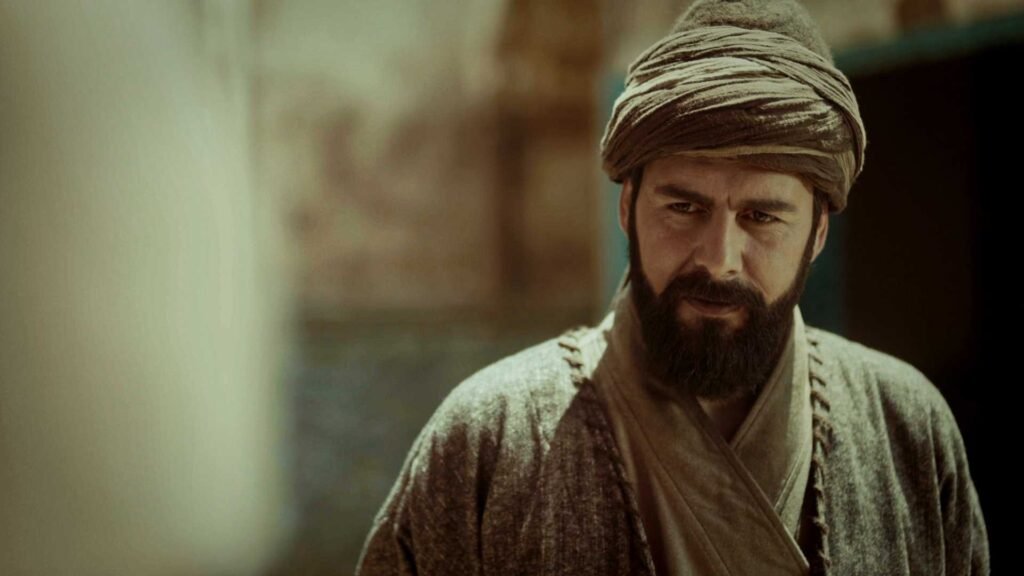
Yunus Emre: Aşkın Yolculuğu is a Turkish historical drama inspired by the life and spiritual journey of Yunus Emre, one of the best-known figures in Turkish literary and spiritual heritage. Rather than relying only on battles and political conflict, the series explores justice, faith, personal transformation, love, humility and the search for truth. The drama premiered on TRT 1 and follows Yunus Emre as his life changes dramatically after he encounters Tapduk Emre. The official TRT 1 archive lists 44 episodes, with Episode 44 serving as the finale. For audiences interested in Turkish dramas, historical series and Islamic-era storytelling, Yunus Emre offers a different experience from action-heavy productions such as Diriliş: Ertuğrul. Its strongest focus is the transformation of a man searching for justice and meaning. What Is Yunus Emre: Aşkın Yolculuğu About? The series begins with Yunus Emre serving as a Kadı, or judge, in an environment affected by political instability and the influence of the Mongols within the Seljuk world. Yunus initially approaches life through his understanding of law and justice. However, a series of difficult cases and encounters challenge his assumptions. One of the most important figures he meets is Tapduk Emre, whose wisdom gradually changes Yunus’s understanding of justice, humility and spiritual responsibility. TRT 1’s episode archive shows that the drama introduces this transformation early. In the opening episodes, Yunus faces a murder case and an execution decision, while his encounter with Tapduk Emre forces him to reconsider his judgment. This becomes the foundation of the drama’s central theme: the journey from worldly authority toward inner understanding. Yunus Emre’s Journey From Judge to Dervish Yunus’s transformation is the heart of the series. At the beginning, he is confident in his position as a judge. He believes that applying the law and reaching a correct verdict are central to justice. Yet his encounters with Tapduk Emre gradually make him question whether justice can be understood only through official authority. His relationship with the dervish lodge becomes increasingly important. Instead of seeking status, Yunus learns the value of service, patience, humility and self-discipline. This spiritual development gives the series its distinctive identity. Rather than presenting Yunus as a perfect character from the beginning, the drama shows him struggling with doubt, pride, emotions and difficult choices. Tapduk Emre and His Influence on Yunus Tapduk Emre is one of the most significant characters in Yunus Emre: Aşkın Yolculuğu. Played by Payidar Tüfekçioğlu, Tapduk becomes Yunus’s spiritual guide and an important force behind his transformation. Tapduk’s approach is very different from the world of political power surrounding Yunus. His teachings emphasize patience, discipline and inner purification. The relationship between master and disciple gives the drama much of its emotional depth. Yunus does not simply receive answers from Tapduk. Instead, his experiences at the lodge force him to confront his own weaknesses and rethink his understanding of life. Gökhan Atalay as Yunus Emre Gökhan Atalay portrays the central character, Yunus Emre. TRT 1’s official archive identifies Atalay as Yunus Emre and Payidar Tüfekçioğlu as Tapduk Emre. Atalay’s character moves through several stages during the story. Viewers see Yunus as a judge, a man facing personal and political pressure, and eventually someone increasingly committed to the spiritual path. His internal struggle is just as important as the external conflicts around him. Important Characters in the Series Molla Kasım Molla Kasım, played by Baran Akbulut, is an important figure in Yunus’s journey. His relationship with Yunus creates tension inside the dervish environment. At different points, Molla Kasım questions Yunus and becomes involved in conflicts surrounding his beliefs and decisions. The official TRT 1 cast information lists Baran Akbulut as Molla Kasım. Bacım Sultan Bacım Sultan, played by Pelin Orhuner according to TRT 1’s current series listing, is another important character connected to Tapduk Emre’s household and Yunus’s personal journey. Her storyline brings family, emotion and relationships into a drama otherwise centered heavily on spiritual development. Zahide Zahide, portrayed by Ceyda Kasabalı, adds another layer of emotional and social conflict to the story. Her interactions with Yunus become increasingly significant as the series develops. Argun Bey Argun Bey, portrayed by Mehmet Ali Kaptanlar, represents another side of the world in which Yunus lives. His storyline connects the personal events at the dervish lodge with political and social power outside it. Yunus Emre and the Dervish Lodge The dervish lodge is almost a character in its own right. It becomes the place where Yunus learns through service rather than status. The contrast between the lodge and the political world outside it is central to the drama. As Yunus spends more time with Tapduk Emre and the other dervishes, he begins to understand that spiritual growth requires patience and sacrifice. The later episodes show how deeply Yunus has changed. In the finale, Tapduk accepts Yunus back into the lodge, where he continues serving by cutting wood. Tapduk eventually gives Yunus the dervish robe and turban, marking an important stage in his spiritual development. Love, Family and Emotional Conflict Although spirituality drives the main storyline, Yunus Emre: Aşkın Yolculuğu also includes romance and family conflict. Yunus’s relationship with Bacım Sultan becomes particularly important. Their story develops alongside Yunus’s spiritual transformation rather than existing separately from it. The series also explores difficult relationships involving Zahide, Molla Kasım and other characters, creating emotional tension alongside the historical narrative. According to TRT 1’s finale summary, Tapduk Emre ultimately marries Yunus to Bacım Sultan, and the couple has a son named İbrahim. Political Conflict and Social Pressure The drama does not isolate Yunus from the political world. Throughout the series, characters face disputes involving local authorities, powerful figures, legal decisions and social pressure. Yunus’s position as a former judge makes these conflicts particularly important because he understands the responsibilities and limitations of authority. The storyline involving Candaroğlu Argun Bey repeatedly brings political power into conflict with the spiritual world of Tapduk’s lodge. TRT 1 episode summaries show that these tensions become increasingly intense during the later episodes, including confrontations involving the

Diriliş Ertuğrul
TV Dramas

Diriliş Ertuğrul: The Turkish Drama That Captivated Millions Around the World

Diriliş: Ertuğrul, widely known as Resurrection: Ertuğrul, remains one of the most influential Turkish historical dramas of the modern television era. Combining action, romance, family loyalty, political conflict and historical themes, the series introduced audiences around the world to the story of Ertuğrul Bey and the Kayı tribe. For viewers in Pakistan, the drama became particularly significant after its Urdu-dubbed broadcast and widespread online popularity. Turkish television had already attracted Pakistani audiences, but Ertuğrul created an unusually strong connection with viewers interested in historical dramas and Turkish entertainment. What Is Diriliş Ertuğrul About? Set in 13th-century Anatolia, Diriliş Ertuğrul follows Ertuğrul Bey, the son of Süleyman Shah, and the struggles faced by the Kayı tribe as it searches for security, territory and a future. The story combines fictionalized drama with historical figures and events. Ertuğrul and his Alps face numerous enemies and political challenges while protecting their tribe and pursuing their vision for a better future. The series explores themes such as courage, loyalty, sacrifice, leadership, justice, family and faith, making it much more than a conventional action drama. Engin Altan Düzyatan as Ertuğrul Bey The central character is Ertuğrul Bey, portrayed by Turkish actor Engin Altan Düzyatan. Düzyatan’s performance helped turn Ertuğrul into an internationally recognized television character. TRT 1’s official cast information identifies him as Ertuğrul Bey and also lists performers including Cengiz Coşkun as Turgut Alp, Nurettin Sönmez as Bamsı Beyrek, Hülya Darcan as Hayme Ana and Ayberk Pekcan as Artuk Bey. Ertuğrul is portrayed as a determined warrior and leader who repeatedly has to balance the safety of his tribe with his principles. Important Characters in the Turkish Drama One reason Diriliş Ertuğrul became so popular is its large ensemble of memorable characters. Turgut Alp Turgut Alp is one of Ertuğrul’s trusted Alps and an important warrior within the story. His character became particularly popular among international viewers. Bamsı Beyrek Played by Nurettin Sönmez, Bamsı is remembered for his loyalty, bravery and distinctive personality. He became one of the fan-favorite characters of the series. Hayme Ana Hayme Ana, played by Hülya Darcan, represents the strength and wisdom of the Kayı family. Her role adds an important family and leadership dimension to the drama. Halime Sultan Halime Sultan is central to the romantic storyline surrounding Ertuğrul. Her relationship with Ertuğrul adds emotional depth to the otherwise action-heavy narrative. 150 Episodes of Turkish Television Diriliş Ertuğrul was produced across five seasons and concluded with its 150th episode in 2019. TRT 1’s official archive lists the 150th episode as the series finale. The show’s extensive run allowed its characters and storylines to develop over several seasons, giving viewers a long-form historical entertainment experience. Why Did Ertuğrul Become So Popular in Pakistan? Pakistan became one of the most enthusiastic international markets for the drama. Its historical setting, action sequences, family values, Islamic cultural themes and strong character relationships helped it connect with Pakistani viewers. The series was also broadcast in Urdu, making it accessible to a much wider Pakistani audience. Contemporary reporting described Turkish dramas as major hits in Pakistan and specifically highlighted the extraordinary reception of Diriliş Ertuğrul. A Global Turkish Drama Phenomenon The popularity of Diriliş Ertuğrul was not limited to Pakistan. Anadolu Agency reported that the series had been exported to 71 countries, while its digital audience continued to grow after the television finale. That international reach helped establish Turkish historical dramas as an important part of global television entertainment. The Legacy of Diriliş Ertuğrul Years after its finale, Diriliş Ertuğrul continues to attract searches for its cast, characters, episodes, ending, historical background and Turkish actors. For fans of Turkish dramas, the series remains an important title because it combined large-scale battles with family drama, romance, political intrigue and compelling character development. For Turkey’s entertainment industry, Diriliş Ertuğrul also demonstrated how a locally produced historical drama could develop a substantial international audience. Final Thoughts Diriliş Ertuğrul is more than a popular Turkish TV series. It became a global entertainment phenomenon and introduced millions of viewers to Turkish historical storytelling. Its enduring popularity in Pakistan and other countries shows the powerful international appeal of Turkish dramas, historical characters and emotionally driven storytelling. For anyone exploring the world of Turkish television, Diriliş Ertuğrul remains one of the essential dramas to discover.

Scroll to Top