
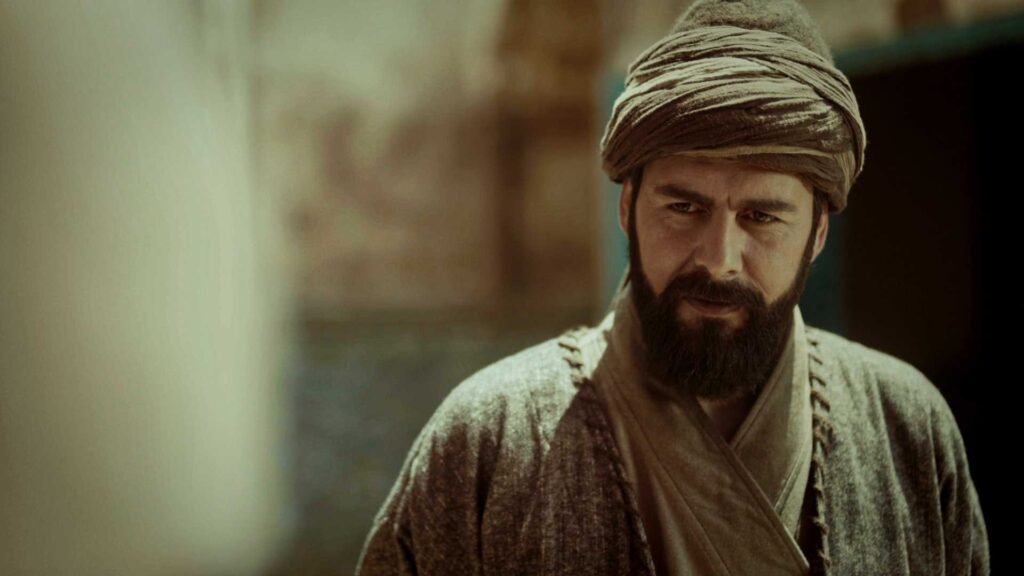
Yunus Emre: Aşkın Yolculuğu is a Turkish historical drama inspired by the life and spiritual journey of Yunus Emre, one of the best-known figures in Turkish literary and spiritual heritage. Rather than relying only on battles and political conflict, the series explores justice, faith, personal transformation, love, humility and the search for truth.
The drama premiered on TRT 1 and follows Yunus Emre as his life changes dramatically after he encounters Tapduk Emre. The official TRT 1 archive lists 44 episodes, with Episode 44 serving as the finale.
For audiences interested in Turkish dramas, historical series and Islamic-era storytelling, Yunus Emre offers a different experience from action-heavy productions such as Diriliş: Ertuğrul. Its strongest focus is the transformation of a man searching for justice and meaning.
What Is Yunus Emre: Aşkın Yolculuğu About?
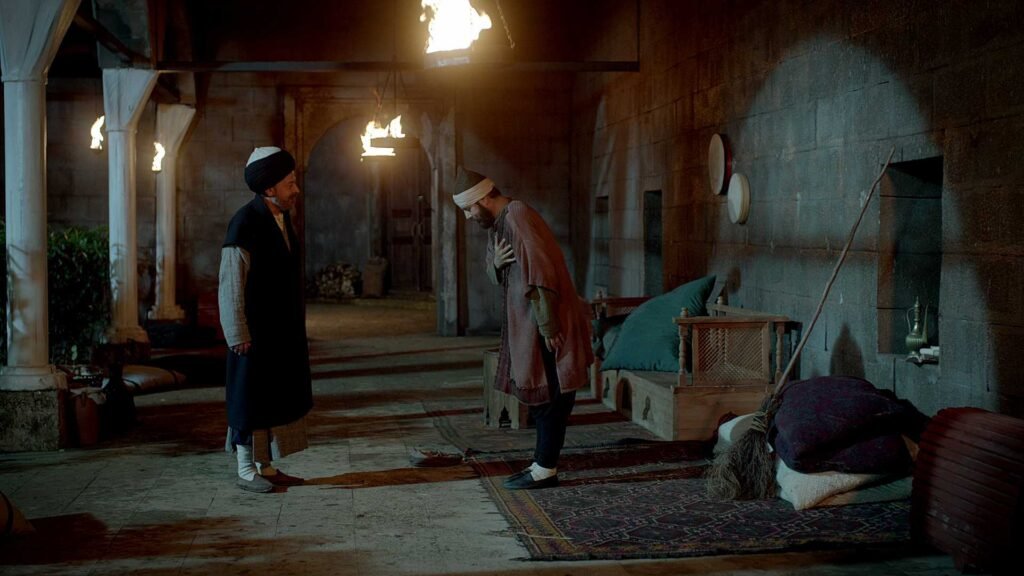
The series begins with Yunus Emre serving as a Kadı, or judge, in an environment affected by political instability and the influence of the Mongols within the Seljuk world.
Yunus initially approaches life through his understanding of law and justice. However, a series of difficult cases and encounters challenge his assumptions.
One of the most important figures he meets is Tapduk Emre, whose wisdom gradually changes Yunus’s understanding of justice, humility and spiritual responsibility.
TRT 1’s episode archive shows that the drama introduces this transformation early. In the opening episodes, Yunus faces a murder case and an execution decision, while his encounter with Tapduk Emre forces him to reconsider his judgment.
This becomes the foundation of the drama’s central theme: the journey from worldly authority toward inner understanding.
Yunus Emre’s Journey From Judge to Dervish
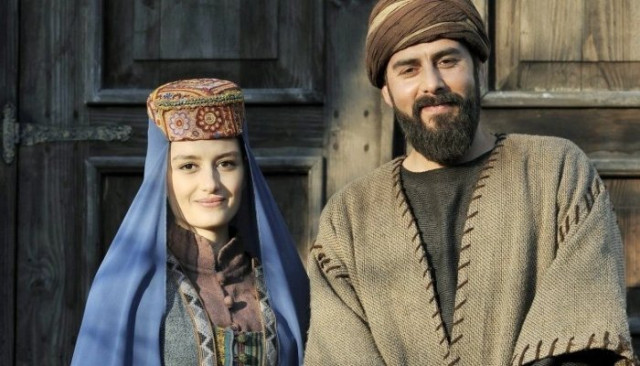
Yunus’s transformation is the heart of the series.
At the beginning, he is confident in his position as a judge. He believes that applying the law and reaching a correct verdict are central to justice. Yet his encounters with Tapduk Emre gradually make him question whether justice can be understood only through official authority.
His relationship with the dervish lodge becomes increasingly important. Instead of seeking status, Yunus learns the value of service, patience, humility and self-discipline.
This spiritual development gives the series its distinctive identity.
Rather than presenting Yunus as a perfect character from the beginning, the drama shows him struggling with doubt, pride, emotions and difficult choices.
Tapduk Emre and His Influence on Yunus
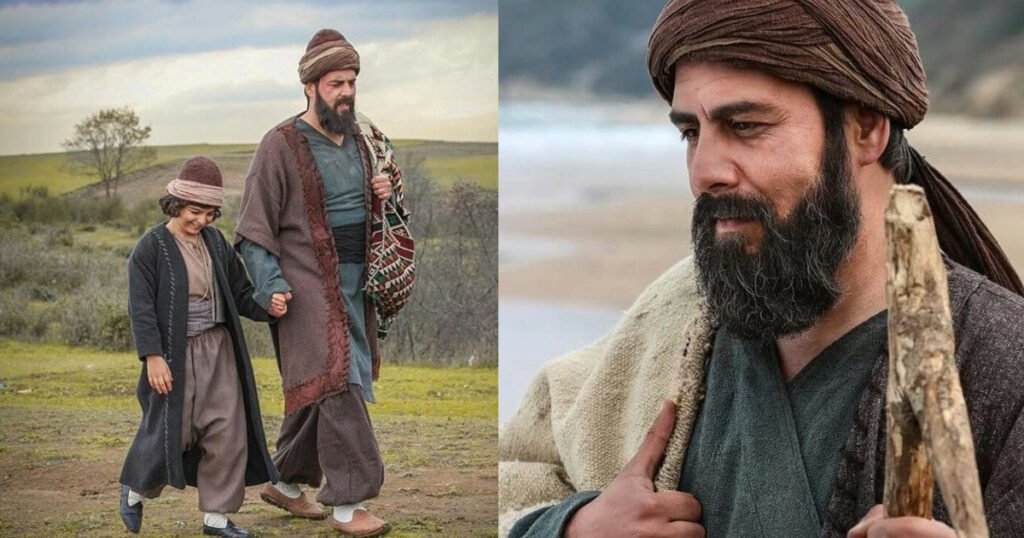
Tapduk Emre is one of the most significant characters in Yunus Emre: Aşkın Yolculuğu.
Played by Payidar Tüfekçioğlu, Tapduk becomes Yunus’s spiritual guide and an important force behind his transformation.
Tapduk’s approach is very different from the world of political power surrounding Yunus. His teachings emphasize patience, discipline and inner purification.
The relationship between master and disciple gives the drama much of its emotional depth.
Yunus does not simply receive answers from Tapduk. Instead, his experiences at the lodge force him to confront his own weaknesses and rethink his understanding of life.
Gökhan Atalay as Yunus Emre
Gökhan Atalay portrays the central character, Yunus Emre.
TRT 1’s official archive identifies Atalay as Yunus Emre and Payidar Tüfekçioğlu as Tapduk Emre.
Atalay’s character moves through several stages during the story. Viewers see Yunus as a judge, a man facing personal and political pressure, and eventually someone increasingly committed to the spiritual path.
His internal struggle is just as important as the external conflicts around him.
Important Characters in the Series
Molla Kasım
Molla Kasım, played by Baran Akbulut, is an important figure in Yunus’s journey.
His relationship with Yunus creates tension inside the dervish environment. At different points, Molla Kasım questions Yunus and becomes involved in conflicts surrounding his beliefs and decisions.
The official TRT 1 cast information lists Baran Akbulut as Molla Kasım.
Bacım Sultan
Bacım Sultan, played by Pelin Orhuner according to TRT 1’s current series listing, is another important character connected to Tapduk Emre’s household and Yunus’s personal journey.
Her storyline brings family, emotion and relationships into a drama otherwise centered heavily on spiritual development.
Zahide
Zahide, portrayed by Ceyda Kasabalı, adds another layer of emotional and social conflict to the story.
Her interactions with Yunus become increasingly significant as the series develops.
Argun Bey
Argun Bey, portrayed by Mehmet Ali Kaptanlar, represents another side of the world in which Yunus lives.
His storyline connects the personal events at the dervish lodge with political and social power outside it.
Yunus Emre and the Dervish Lodge
The dervish lodge is almost a character in its own right.
It becomes the place where Yunus learns through service rather than status. The contrast between the lodge and the political world outside it is central to the drama.
As Yunus spends more time with Tapduk Emre and the other dervishes, he begins to understand that spiritual growth requires patience and sacrifice.
The later episodes show how deeply Yunus has changed. In the finale, Tapduk accepts Yunus back into the lodge, where he continues serving by cutting wood. Tapduk eventually gives Yunus the dervish robe and turban, marking an important stage in his spiritual development.
Love, Family and Emotional Conflict
Although spirituality drives the main storyline, Yunus Emre: Aşkın Yolculuğu also includes romance and family conflict.
Yunus’s relationship with Bacım Sultan becomes particularly important. Their story develops alongside Yunus’s spiritual transformation rather than existing separately from it.
The series also explores difficult relationships involving Zahide, Molla Kasım and other characters, creating emotional tension alongside the historical narrative.
According to TRT 1’s finale summary, Tapduk Emre ultimately marries Yunus to Bacım Sultan, and the couple has a son named İbrahim.
Political Conflict and Social Pressure
The drama does not isolate Yunus from the political world.
Throughout the series, characters face disputes involving local authorities, powerful figures, legal decisions and social pressure. Yunus’s position as a former judge makes these conflicts particularly important because he understands the responsibilities and limitations of authority.
The storyline involving Candaroğlu Argun Bey repeatedly brings political power into conflict with the spiritual world of Tapduk’s lodge.
TRT 1 episode summaries show that these tensions become increasingly intense during the later episodes, including confrontations involving the lodge and attempts to pressure its members.
How Many Episodes Does Yunus Emre Have?
Yunus Emre: Aşkın Yolculuğu has 44 episodes.
TRT 1’s official archive identifies Episode 44 as the final episode and provides episode summaries for the series.
The series therefore offers viewers a complete story rather than an unfinished historical drama.
Yunus Emre Series Ending
The finale focuses heavily on Yunus’s spiritual progress.
After returning to Tapduk Emre’s lodge, Yunus continues his service and follows the path of a dervish. Tapduk recognizes his progress and personally gives him the dervish robe and turban.
The conclusion emphasizes the transformation that began when Yunus first encountered Tapduk. The man who once relied heavily on worldly authority has moved toward a life centered on service, discipline and spiritual understanding.
Why Is Yunus Emre Important for Turkish Drama Fans?
Turkish historical dramas are often associated with large battles, political intrigue and powerful rulers. Yunus Emre takes a different route.
Its main attraction is character development and spiritual storytelling.
The series explores questions that remain relevant to modern viewers:
- What does true justice mean?
- Can a person overcome pride?
- How does a difficult experience change someone’s character?
- What is the difference between authority and wisdom?
- Why are patience and humility important?
- How can a person find meaning in life?
These themes give the drama an identity beyond conventional historical entertainment.
Yunus Emre vs Other Turkish Historical Dramas
Fans of Diriliş: Ertuğrul or other Turkish historical series may notice a major difference.
Diriliş: Ertuğrul places greater emphasis on warfare, tribal politics, leadership and survival, while Yunus Emre concentrates more strongly on spirituality, personal transformation, justice and the relationship between a student and his spiritual guide.
That difference makes Yunus Emre an interesting choice for viewers who want something deeper and more reflective.
The Legacy of Yunus Emre
The real Yunus Emre occupies an important place in Turkish cultural and literary history. His association with poetry, spirituality and themes of human compassion has helped his legacy remain relevant for generations.
The television series brings that legacy to a contemporary international audience through historical drama.
For viewers searching for Yunus Emre Turkish drama, Yunus Emre Aşkın Yolculuğu cast, Yunus Emre series episodes, Gökhan Atalay Yunus Emre, Tapduk Emre and Turkish historical dramas, the series offers a compelling combination of history, emotion and spiritual storytelling.
Final Verdict
Yunus Emre: Aşkın Yolculuğu stands apart from many Turkish historical dramas because its greatest battle is not fought with swords. It is the battle within Yunus himself.
From a respected judge facing difficult decisions to a man learning humility and service under Tapduk Emre, Yunus’s transformation gives the series its emotional power.
With 44 episodes, memorable characters, historical atmosphere and a strong spiritual narrative, Yunus Emre remains an appealing title for audiences exploring the world of Turkish television and historical drama.